The importance of collaboration in primary education
So, what is collaboration?
We can define
collaboration as an act that involves groups working together to solve a
problem or reach a goal (Smith and MacGregor, 1992; MacGregor, 1990).
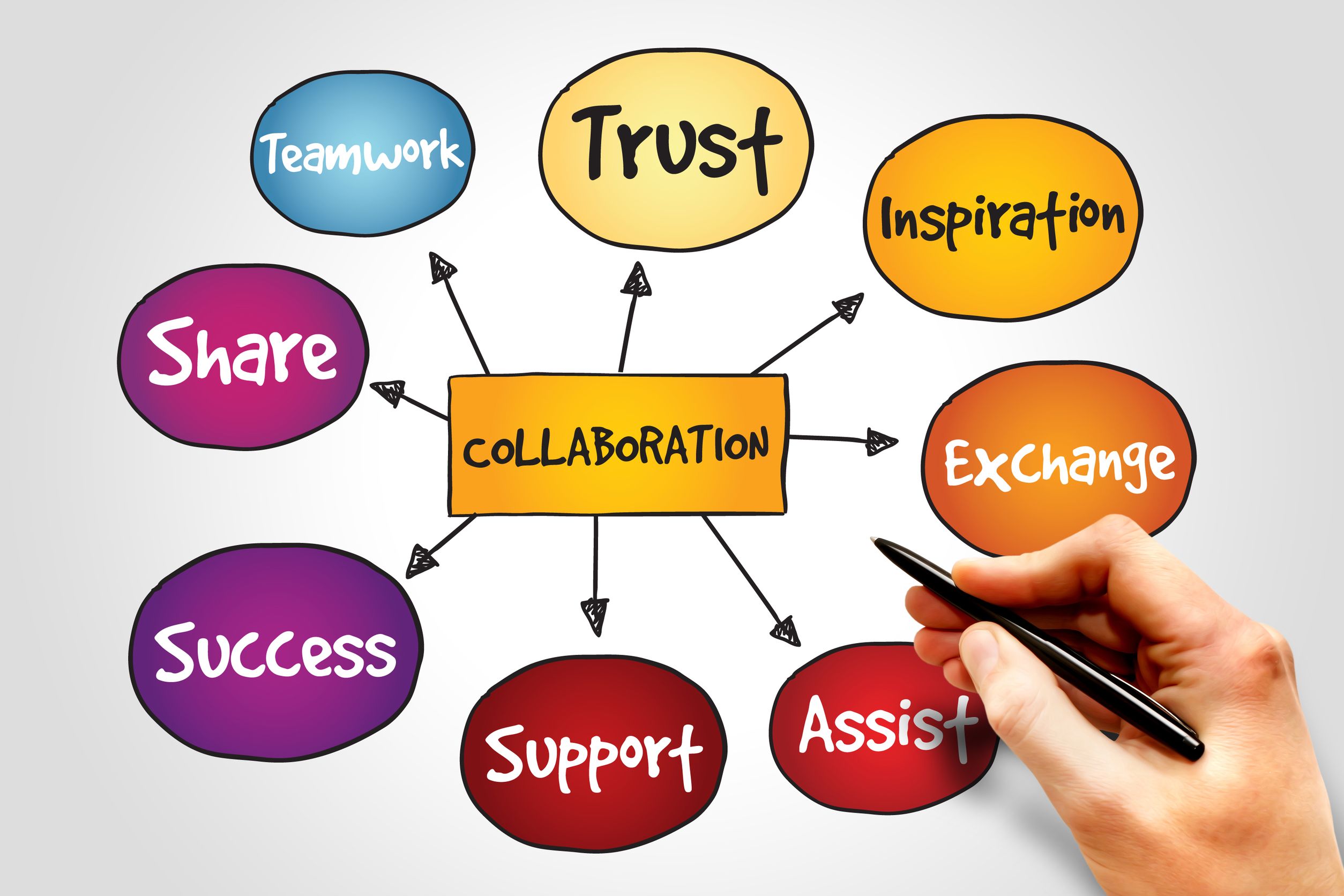 Collaboration is an essential life skill of which we find
ourselves using in every day life without even realising. Throughout my time in
both school and university I have used collaboration frequently within my
seminars and participating in group work. Collaboration is important and there
is a large focus of it within the new upcoming curriculum as it is thought that
having the ability to function as an effective member of a team is one of the
key skills which is regularly cited by employers to be essential in the
workplace (Donaldson, 2015). As well as this it has been shown through research
such as Hattie research that cooperative learning such as collaboration is
effective (Hattie, 2009).
Collaboration is an essential life skill of which we find
ourselves using in every day life without even realising. Throughout my time in
both school and university I have used collaboration frequently within my
seminars and participating in group work. Collaboration is important and there
is a large focus of it within the new upcoming curriculum as it is thought that
having the ability to function as an effective member of a team is one of the
key skills which is regularly cited by employers to be essential in the
workplace (Donaldson, 2015). As well as this it has been shown through research
such as Hattie research that cooperative learning such as collaboration is
effective (Hattie, 2009).Collaboration VS Co-operation
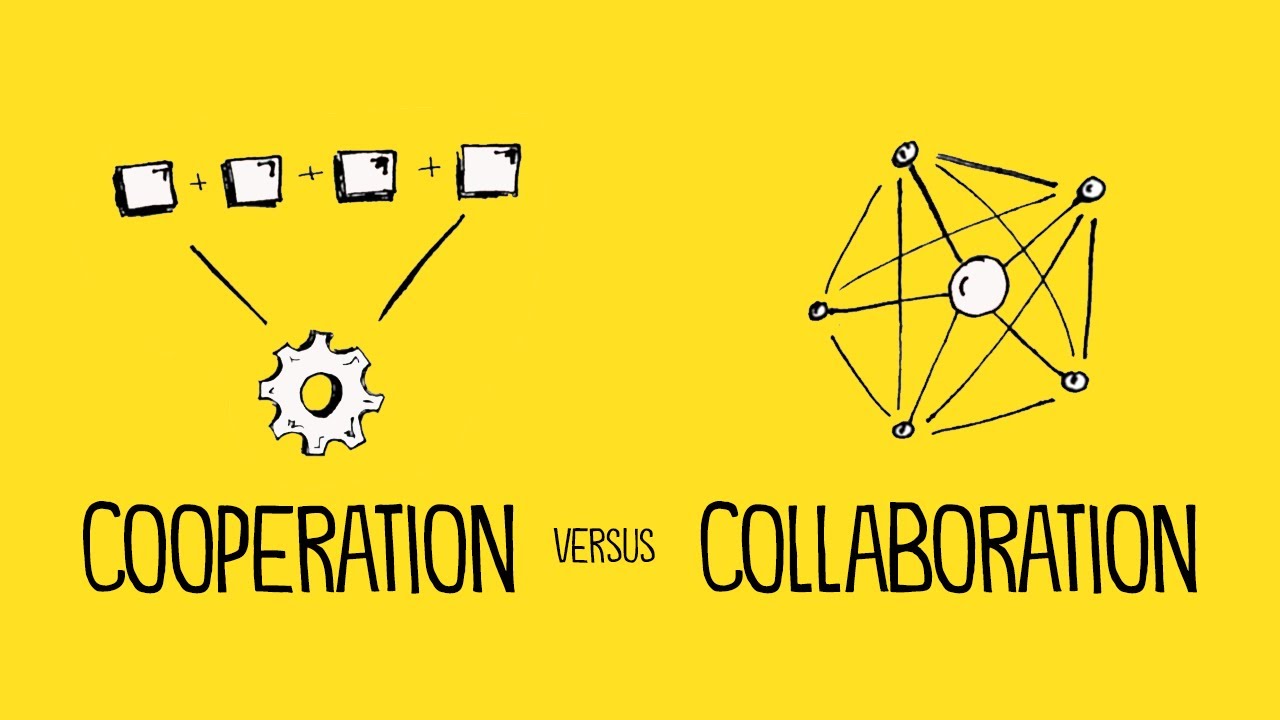 I am guilty of being an individual who believes that
collaboration and cooperation are basically the same thing. However,
researching into the both of them showed Its important that we recognise the
clear difference between Collaboration and Co-operation, especially within the
classroom. Co-operation has a greater approach to learning with the task and
structure being determined by the teacher themselves. Its learning is also
designed by the teacher and allows children to work in groups and share
resources to achieve social independence and complete the task in hand ensuring
all children in the group are contributing. Collaboration has a greater focus
on a shared goal rather than just one and engages in what seems a greater
discussion. The realisation of having a shared knowledge leads to much deeper
and potentially more effective learning which can be achieved independently or
within a collaborative framework (Watkins et al., 2006). Klemperer (1994) argues
that collaboration is not simply students talking to each other. I feel that by
talking to another pupil, you are co-operating but not essentially collaborating.
For me, collaborating is a more in-depth skill which encourages children to
interact as well as act upon their ideas further than just simple conversation.
I am guilty of being an individual who believes that
collaboration and cooperation are basically the same thing. However,
researching into the both of them showed Its important that we recognise the
clear difference between Collaboration and Co-operation, especially within the
classroom. Co-operation has a greater approach to learning with the task and
structure being determined by the teacher themselves. Its learning is also
designed by the teacher and allows children to work in groups and share
resources to achieve social independence and complete the task in hand ensuring
all children in the group are contributing. Collaboration has a greater focus
on a shared goal rather than just one and engages in what seems a greater
discussion. The realisation of having a shared knowledge leads to much deeper
and potentially more effective learning which can be achieved independently or
within a collaborative framework (Watkins et al., 2006). Klemperer (1994) argues
that collaboration is not simply students talking to each other. I feel that by
talking to another pupil, you are co-operating but not essentially collaborating.
For me, collaborating is a more in-depth skill which encourages children to
interact as well as act upon their ideas further than just simple conversation.
Collaboration in education

In todays education, collaboration is frequently used within a child’s everyday school life. The emphasis has shifted from individual efforts to group work and also from independence to community (Leonard and Leonard, 2001). During placement I worked with a year three class to make bread. Before the children could even think about making the bread they had to collaborate as a group to share their ideas of what they all thought the best ingredients would be in order to successfully create tasty and appealing bread. This involved deep and in-depth discussion in order to decide for and against ingredients that may or may not work. The teacher did have some involvement in the task but other than that the outcomes and goals were all shared by the pupils within their groups. However, children of course use collaboration in all sorts of ways in and outside of the classroom especially during free play which all outcomes would be determined by the children playing themselves. We must also recognise that the layouts of classrooms in schools today have changed significantly. Within the first sets of classrooms children would be sat in rows and although traditional classrooms promote what’s known as teacher-led discussion, with the use of information flow existing predominantly between teachers and individual pupils, collaborative learning activities allow for knowledge development between pupils (Blatchford et al., 2005). We can see nowadays that circle shaped tables are used within classrooms and allows children the opportunity to see the whole table as well as the teacher to further communicate all together. Using collaboration within the classroom also aids children to develop other skills because collaborative learning is a popular teaching strategy and helps teachers not only with teaching subject matter but also with teaching certain social skills like listening, co-operation and confidence. It also allows dispositions that influence upon the school and its curriculum (Schul, 2011). Despite all of this It’s important that we recognise working in collaboration with others is by no means a new idea in education (Lloyd and Beard, 1995).
Research of collaboration
There has been a wide range of research carried out in order to support the use of collaboration within the classroom and a few findings of a variety of different research can be seen below:
·
Kutnick & Thomas (1990) found that pupils
working in pairs performed significantly better than those working individually
·
Hattie (2009) Collaborative learning has a prime
effect on enhancing interest and problem solving provided it is set up with high
levels of peer involvement.
·
Even when assessed as individuals, those
students who participate in group learning task tend to perform better when
assessed than those who had only worked individually (Barron, 2000).
As previously mentioned at the beginning of my blog, we use collaboration in our everyday lives without even realising, so by emphasising and supporting its use within the classroom gives children that opportunity to develop this skill as well as many more in order to become of use as potential as well as essential employability skills.
References:
Barron, B. (2009) Achieving Coordination in Collaborative Problem-Solving Groups. Journal of the learning sciences, (4), pp. 403-436.
Blatchford, P., Galton, M., Kutnick, P and Baines, E. (2005) Improving the Effectiveness of Pupils Groups in Classrooms. ESRC/TLRP Final Report.
Hattie, J (2009) Visible Learning: A Synthesis of Over 800 Meta-analyses Relating to Achievement. London: Routledge.
Kutnick, P. & Thomas, M. (1990). Dyadic pairings for the enhancement of cognitive development in the school curriculum; some preliminary results on science tasks, British Educational Research Journal, (16). pp. 399-406.
Leonard, P. E and Leonard, L.J. (2001) The collaborative prescription: Remedy or reverie? International Journal of Leadership in Education, 4(4); pp. 383–99.
Lloyd, C. & Beard, J. (1995) Managing Classroom Collaboration. London: Cassell Education.
MacGregor, J.T. (1990). Collaborative learning: Shared inquiry as a process of reform. The changing face of college teaching, New Directions for Teaching and Learning. San Francisco; USA, Jossey-Bass Publishing.
Successful futures. (2015) Independent Review of Curriculum and Assessment Arrangements in Wales. Available at: https://beta.gov.wales/sites/default/files/publications/2018-03/successful-futures.pdf (Accessed 25th March 2019).
Schul, J.E. (2011) ‘Revisiting an old friend: The practice and promise of cooperative learning for the twenty-first century’, Social Studies, 102(2), 88-93.
Smith, B. L. & MacGregor, J. T. (1992) What is collaborative learning? Collaborative Learning: A Sourcebook for Higher Education. Pennsylvania State University; USA, National centre on postsecondary teaching, learning, and assessment publishing.
Comments
Post a Comment