The importance of involving
mindfulness within the curriculum
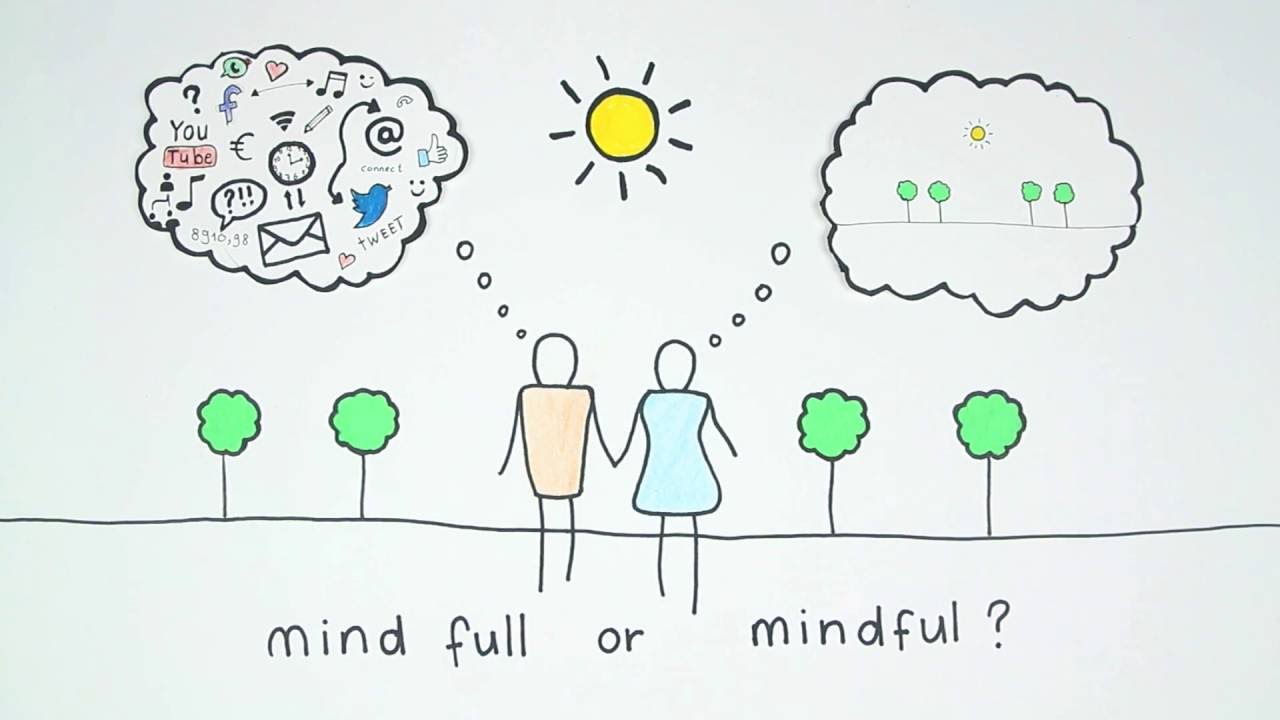

My experiences of Mindfulness are very limited as I was not
introduced to the practise until A-level and currently now within university as
it was never a focus when I was in Primary school. However, during A-levels it was used as a calming mechanism before and during exam season. It was also a large focus within my psychology studies. Many children lack greater
focus on the here and now within present day. Its important for teachers within
the curriculum to ensure that children are given the time to reflect upon
themselves and various situations. Many children enter a state of deep
engagement with mindfulness without even knowing whether it be in or out of
school. Immersive mind states that could be described as mindfulness are
related to inner-happiness, imagination, originality and creativity
(Fredrickson, 2009; Kabat-Zinn, 2016; Huppert et. al. 2007). For example, PE
can be a massive benefit to mindfulness in terms of the curriculum, a child who
enjoys engaging with sports given it a PE lesson may enter a deep state of
mindfulness as they become so focussed and immersed in the activity that they become
so unaware of their environment and become less vulnerable to distractions as
they are purely focussed on themselves and the activity in hand. Another
example could also be music. When playing music within the classroom or even
having children play it themselves can allow them to experience greater
mindfulness as they focus on the different sounds around them. By allowing a
child to enter a deep state of learning enhances the likeliness of “better
relationships and happier learning community” (Barnes,2018).
When Donaldson reviewed the old curriculum, the reoccurring
concerns were the lack of importance on a child’s and young people’s mental
health and well-being. It was made clear that schools need to take care for
both children and young people’s physical and emotional needs, further
supporting them to take responsibility for their own lives and understanding
the importance of diet and fitness as well as being confident in managing their
own affairs (Donaldson, 2015).
 Mindfulness can be a massive benefit for disruptive children
within a classroom. Children who are easily distracted can massively affect the
flow of the classroom. By enforcing mindfulness practice allows children to
teach themselves patience and build upon their focus as they focus on one thing
rather than many. It can also massively benefit children who are easily
aggravated and experience a lot of anger within themselves and to others. Allowing
a child to enter a calmer state of mind will massively benefit them with anger
control by focusing on being calm and allowing the state of anger to leave
their systems. Having mindfulness be apart of the curriculum means that
children aren’t just restricted to mindfulness within school. Teachers should
make parents aware of the benefits of mindfulness so that parents can try and
enforce it home.
Mindfulness can be a massive benefit for disruptive children
within a classroom. Children who are easily distracted can massively affect the
flow of the classroom. By enforcing mindfulness practice allows children to
teach themselves patience and build upon their focus as they focus on one thing
rather than many. It can also massively benefit children who are easily
aggravated and experience a lot of anger within themselves and to others. Allowing
a child to enter a calmer state of mind will massively benefit them with anger
control by focusing on being calm and allowing the state of anger to leave
their systems. Having mindfulness be apart of the curriculum means that
children aren’t just restricted to mindfulness within school. Teachers should
make parents aware of the benefits of mindfulness so that parents can try and
enforce it home. 
Although of course it’s a massive benefit that mindfulness is a part of the curriculum it is a subject of which may not always be given a positive attitude by a lot of staff and pupils. Some teachers may neglect its practice within their teaching as well as many children choosing not to take part further affecting the focus of those around them. The younger the child the harder it is of course for them to sit still. Therefore, the approach must be carefully considered in terms of the length of time children are made to engage in.
References
Kabat-Zinn, J. (1994). Wherever
you go. There you are: mindfulness meditation in everyday life. London:
Hachette Books. (Accessed 12/11/18).
O’Donnell, A. (2015).
Contemplative pedagogy and mindfulness: Developing creative attention in age of
distraction. Journal of Philosophy of education, 49(2). 187-202. (Accessed 12/11/18).
Barnes, J. (2018) Applying
cross-curricular approaches creatively. London: Routledge. (Accessed12/11/18).
http://www.gofal.org.uk/news/2015/02/25/welsh-government-must-deliver-on-mental-health-curriculum-recommendations/ (Accessed 13/11/18).
https://gov.wales/docs/dcells/publications/150225-successful-futures-en.pdf (accessed 13/11/18).
Comments
Post a Comment